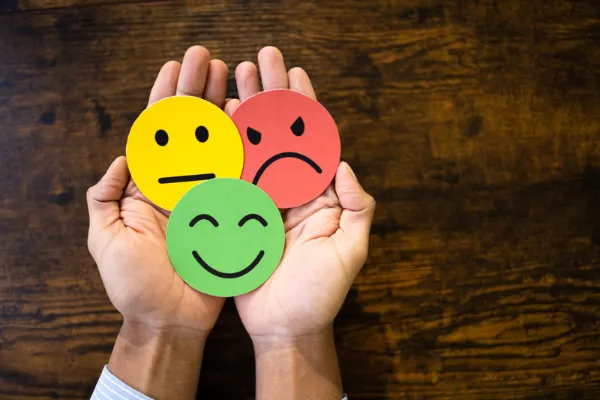
Appreciative Feedback: Go Beyond Good Job
Have you ever tried something you learned in a leadership session, gotten a response that stung a little, and thought, “Well, that’s not going to work here”?
I get it. You made the effort. It didn’t go the way you hoped. Why sign yourself up for another uncomfortable conversation?
Recently, a frontline leader reminded me why another attempt can be worth it.
A Reason to Hesitate
During a training session on giving feedback, this leader shared a real challenge. He works in a union environment, and when he gave appreciative feedback, he sometimes heard a request for more pay. Not exactly the reaction he was going for!
After a few of those moments, he’d become resistant to giving appreciation at all. Honestly, that makes sense to me.
In the session, we worked through a way to make recognition more specific. We also talked about how to respond if compensation came up. Having a plan for both parts of the conversation helped him feel ready to try again.
At a later session, he told us what happened.
Going Beyond Good Job
His earlier approach had been general, something like thanking someone for their hard work. This time, he described a pattern of effective behavior he’d noticed. He was clear about the situation, what the employee was doing well, and the positive impact on the business. Then he told the employee what he wanted them to keep doing.
The employee brightened up.
I was so pleased (and a little surprised) that he’d been willing to experiment again after his earlier experiences. I made sure to tell him so, and to point out the different result he’d gotten.
Here’s why this matters for any leader. Specific appreciation helps people understand exactly how their work contributes and which behaviors are worth repeating.
The model I teach is Situation, Behavior, Impact, Do:
Situation: Describe what was happening and when.
Behavior: Name the specific action or pattern you observed.
Impact: Explain the positive difference it made.
Do: Tell the person what you’d like them to continue doing. For developmental feedback, this step addresses what to do differently.
You can still thank someone for their hard work! Just take a moment to tell them what you noticed and why it mattered.
Yes, There Was an Awkward Moment
The leader also told us the conversation ended with a bit of awkward silence.
That detail made his story even more valuable to me. He tried a new approach and got a better response. And there was still a moment he didn’t quite know how to handle.
When I asked what he’d do differently next time, he said he’d be more prepared for that moment.
Was his next attempt perfect? No. It was better. He reflected on what happened and picked an adjustment for the next conversation.
That’s how we keep learning.
Give Yourself Room to Try Again
Of course, appreciative feedback doesn’t replace fair compensation. An employee’s concern about pay deserves its own conversation. But we can take that concern seriously and still recognize a meaningful contribution.
People in every work environment deserve to have their effective work noticed. How we express that appreciation can make a real difference.
One positive response won’t tell us how every future conversation will go. It does give us a reason to stay curious instead of deciding appreciation just doesn’t work with our team.
So here’s my challenge: Think of a feedback conversation that hasn’t gone the way you hoped. Could you be more specific? Could you prepare for the response you’re worried about? I encourage you to give it one more try, and to be kind to yourself if it’s still a little awkward.
You don’t have to deliver feedback perfectly to make a positive difference.
Leadership in Practice
Choose one effective behavior you’ve noticed this week. Before you give appreciative feedback, jot down the situation, the behavior, its impact, and what you want the person to continue doing.
Have the conversation. Give the person a moment to respond, without requiring a particular reaction.
Afterward, ask yourself: What worked? What would I adjust next time?
If your frontline leaders could use support turning feedback tools into everyday habits, I’d love to talk. My Frontline Leadership Development Program gives leaders practical approaches and opportunities to learn from their experiences. Let’s connect.